


Real work.
Clear conditions.
People who show
you how.
The Essentials Up Front
Before You Apply
We don't expect you to be an expert on Bobcat machinery. What matters is your practical ability, how you follow instructions, how you work with tools, and whether you are ready to learn the Bobcat standard.
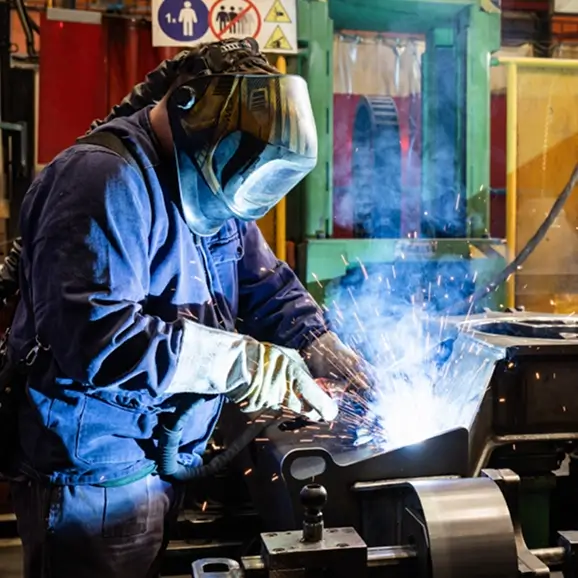
Welder
Salary range
39,700–52,100 Kč
Shift pattern
2 shifts, 6:00-14:00 / 14:00-22:00
Location
Dobříš campus or Original factory
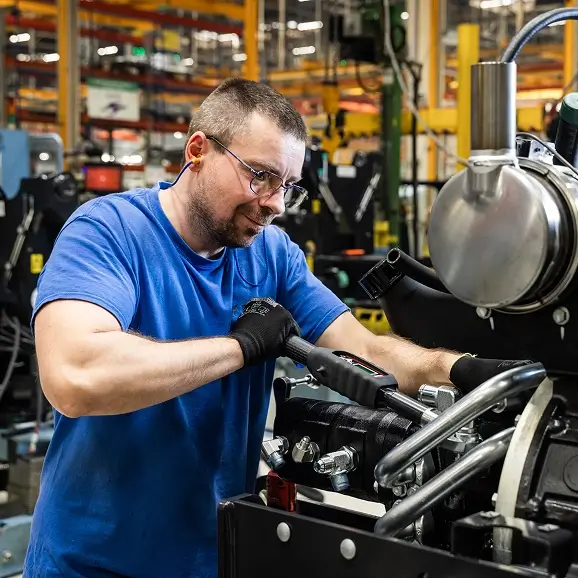
Assembler
Salary range
39,700–47,900 Kč
Shift pattern
2 shifts, 6:00-14:00 / 14:00-22:00
Location
Dobříš campus
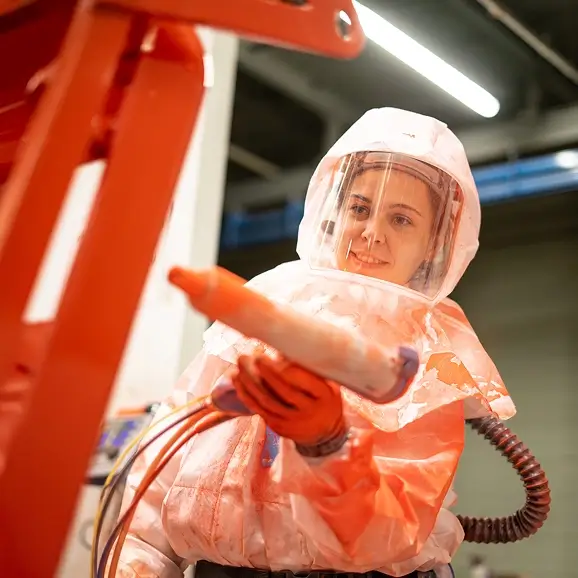
Painter
Salary range
44,400–53,700 Kč
Shift pattern
3 shifts, 6:00–14:00 / 14:00–22:00 / 22:00–06:00
Location
Dobříš campus
All three roles offer
- A 1-year contract, with the possibility of a permanent position thereafter
- Company shuttle from Hořovice, Sedlčany, Dlouhá Lhota, Prague and Příbram
- Training provided by Bobcat; relevant experience or practical ability expected
- 25 days of annual leave
- Workwear and protective equipment provided, with clean workwear exchange
- Bonus criteria: attendance and compliance with internal rules and instructions
Additional benefits:
Pension contribution, referral bonus, discounted mobile tariffs, subsidized meals, and language courses with 50% employer contribution (if required for your role).
Production roles
Find the work that suits you
Some work is more about visible finish, some about welding quality, some about assembling the machine step by step. See what each role means before you choose where to apply.
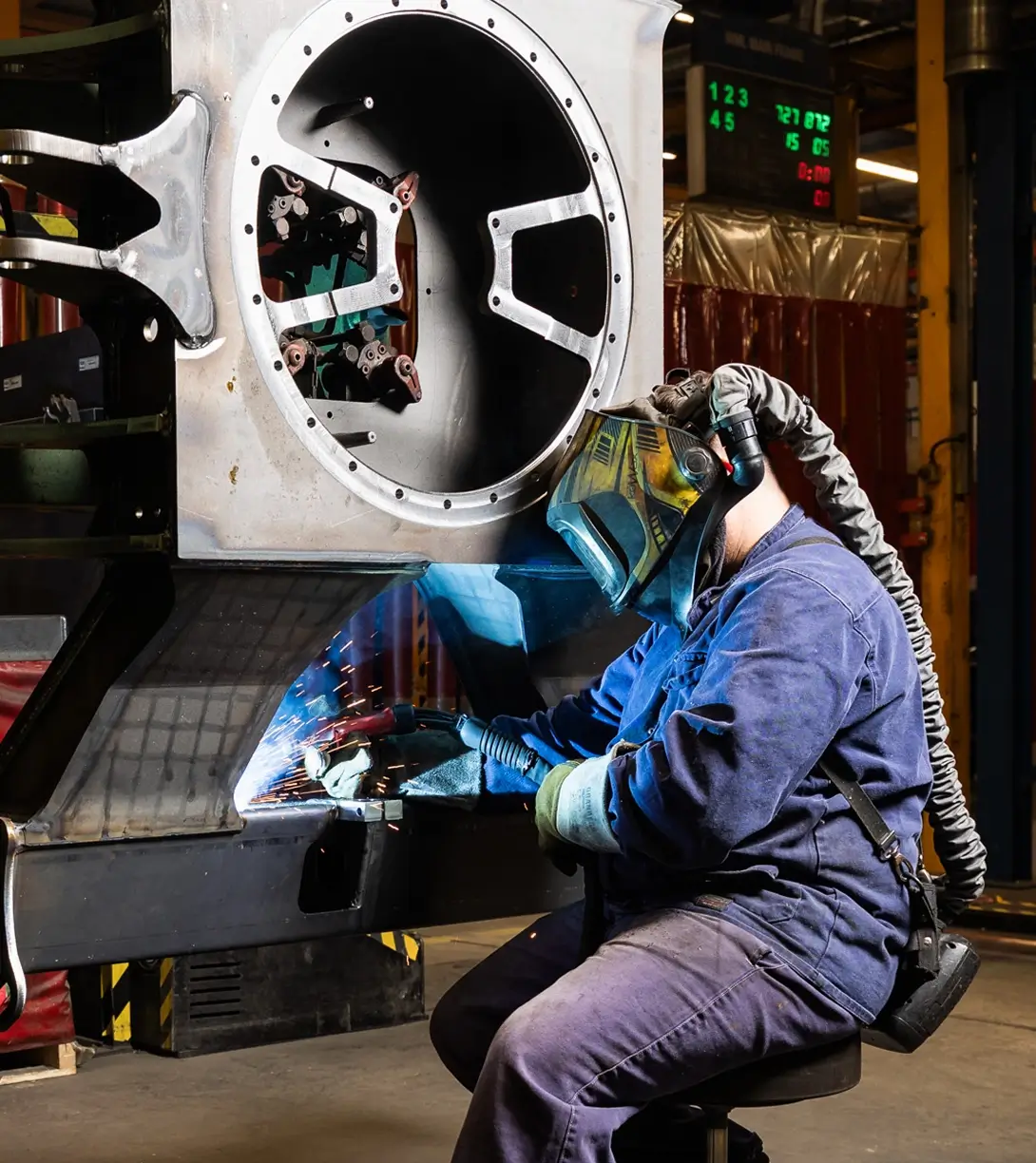
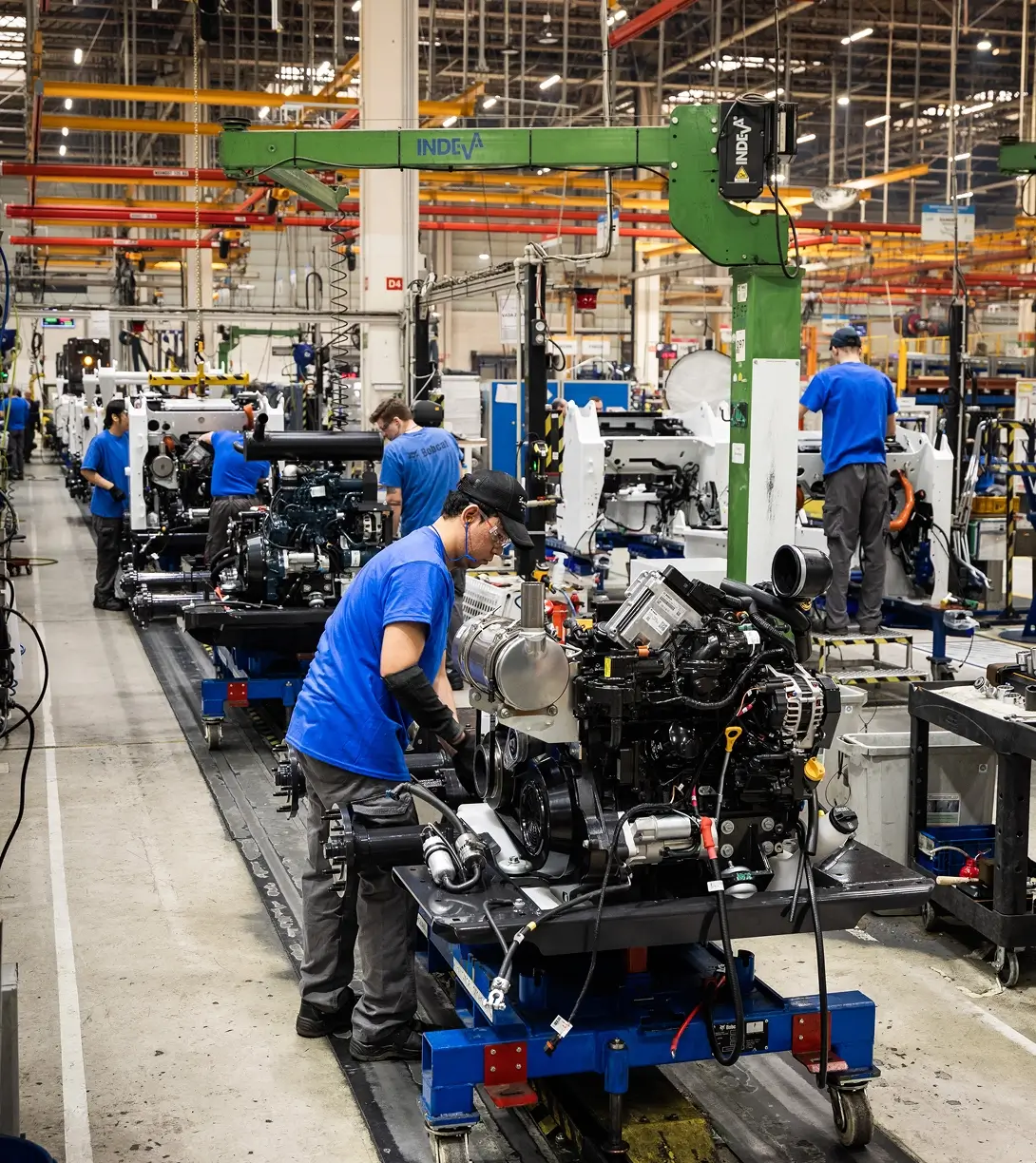
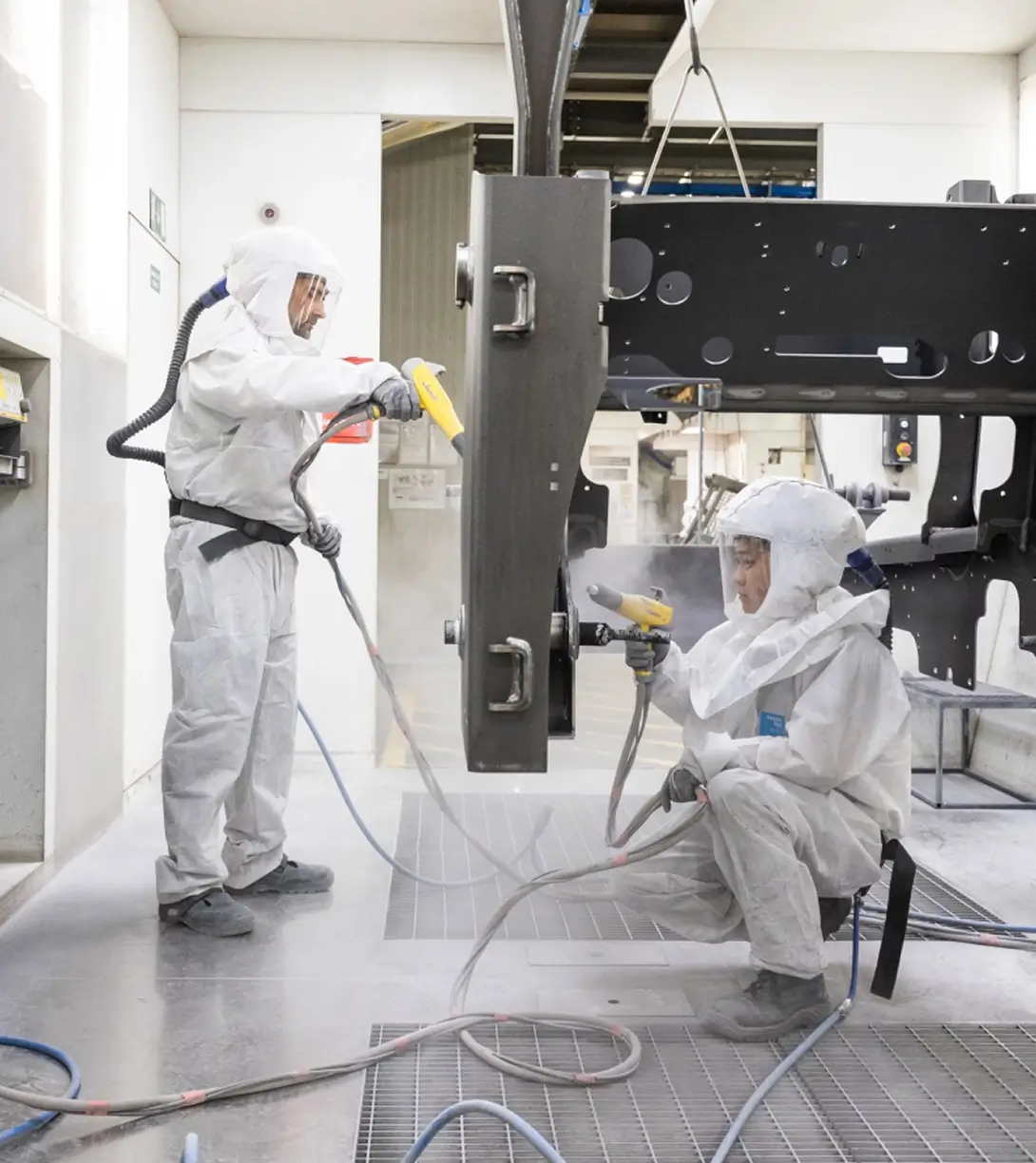
Real work
See what the work is really like
Production work at Bobcat is hands-on, focused and real. It has rhythm, standards and responsibility — and it can take time to learn. As your skills grow, so can your independence, your role and potentially your pay through Bobcat’s competency and salary system.
This is not anonymous belt-line work built around the same movement every day. You work with parts, tools, instructions and different machine configurations — and you can see the machine you helped build.

There is a production rhythm
Every role has its own pace. At first, you learn the tools, instructions and way the team works together. The goal is to work safely, correctly and consistently, then build speed with experience.
Your start
From your first response to your first weeks at work
Hiring process
Approx. 1 week
Academy
Approx. 1–2 weeks
Factory training
Approx. 3 weeks
Working independently
Depends on role, readiness and validated skills
Training
Nobody Starts Cold
Starting without full confidence is completely normal, as you are not expected to know everything immediately. Stay curious, ask questions, and keep learning—with steady practice, your confidence grows and the work gradually becomes your own.
What We Help You With
We help you understand the role, the workplace, the correct procedures, the tools, the instructions, the pace of production and what good quality looks like.
What We Need From You
We need practical ability or role-relevant potential, attention to instructions, willingness to ask questions, ability to accept feedback, motivation to learn and improve, reliability and discipline.
You do not have to know everything on day one. But you do need to listen, try, ask and improve. What you do need is the willingness to listen, try, ask questions, and keep improving.
People
At the beginning, it matters who is standing beside you
When you start, the people around you matter. Some colleagues are natural teachers; others are focused on their own work. What matters is that you are not expected to figure everything out alone.
If something is unclear, you can ask.
Experienced colleagues, team leaders, trainers, and supervisors can help you understand the work, the standards, the pace, and what a good result looks like.
Who helps you learn
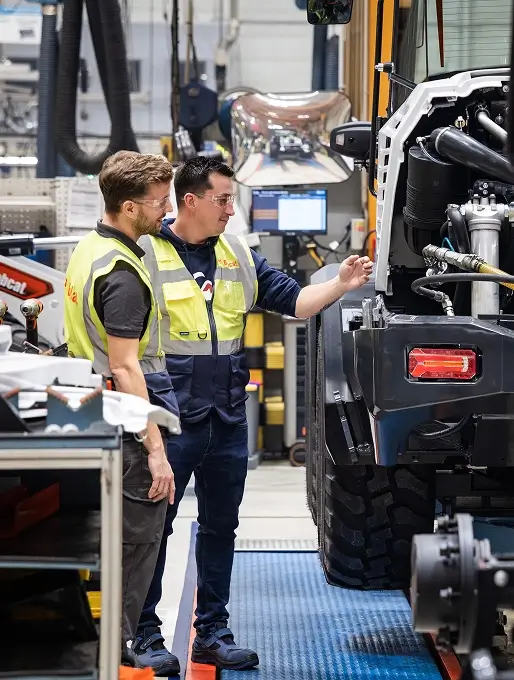
Academy instructors
Help you understand the basics, the test, the tools and the expectations before you move fully into production.
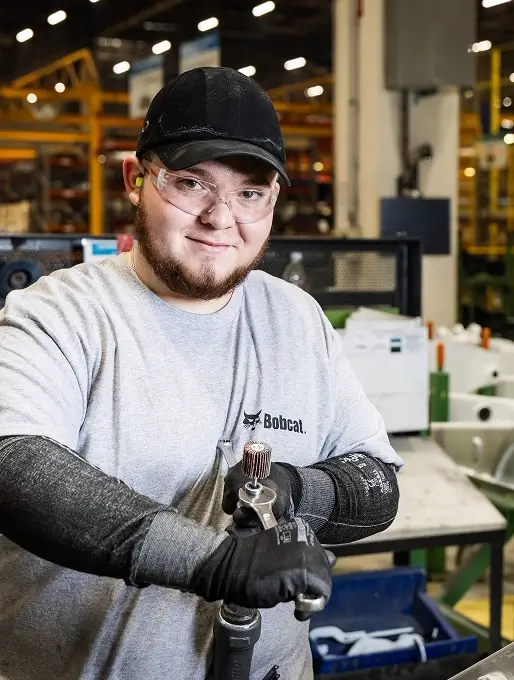
Experienced colleagues
Show you how the work is done at the station and what details matter in real production.
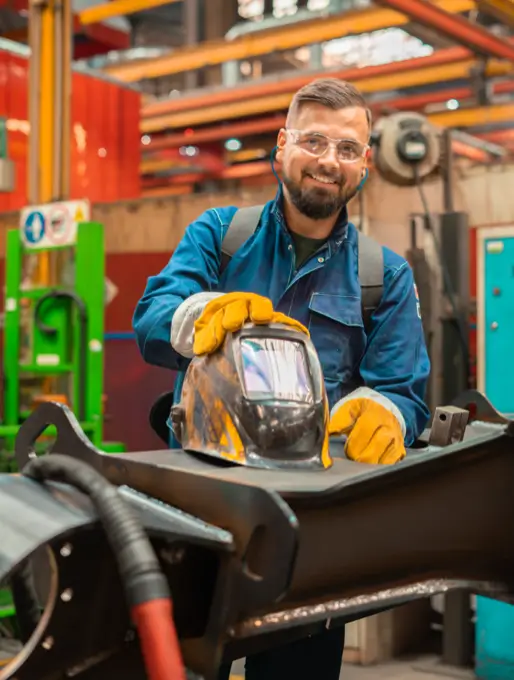
Team leaders
Help organise the work, explain priorities and check that the team can meet the required quality and pace.
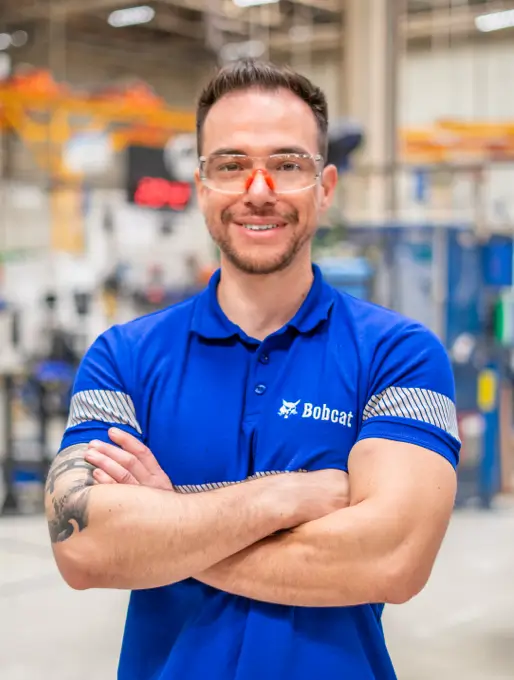
Supervisors
Support the wider production process and help make sure the work, safety and standards are followed.
Growth
Real skill is built gradually
Nobody masters the job on the first day. At Bobcat, you grow by learning the work properly, proving your skills in practice and becoming confident in what you do. For some people, growth means learning additional workplaces, helping others or gaining role-specific qualifications. For others, it means becoming reliable, independent and strong in their own position. Both paths matter.
Progress is based on confirmed skills, performance, behaviour, safety and independence. Employees are assessed twice a year against Bobcat’s competency matrix, which may result in a salary increase. In addition, we review our salary structure every year, creating further opportunities for salary increases.
Growth can mean
Welder
Cleaner welds, stronger quality, broader station experience or further technical validation.
Assembler
Becoming confident at your station, learning more parts of the assembly process or becoming more flexible across stations.
Painter
Stronger process knowledge, better surface preparation, consistent paint quality or role-specific training.
Your result
This is my work. This is where you can see the result.
At Bobcat, your work does not disappear into an anonymous production process. A weld, a painted surface or an assembled component becomes part of a real machine. When the machine is finished, you can see where your work belongs.
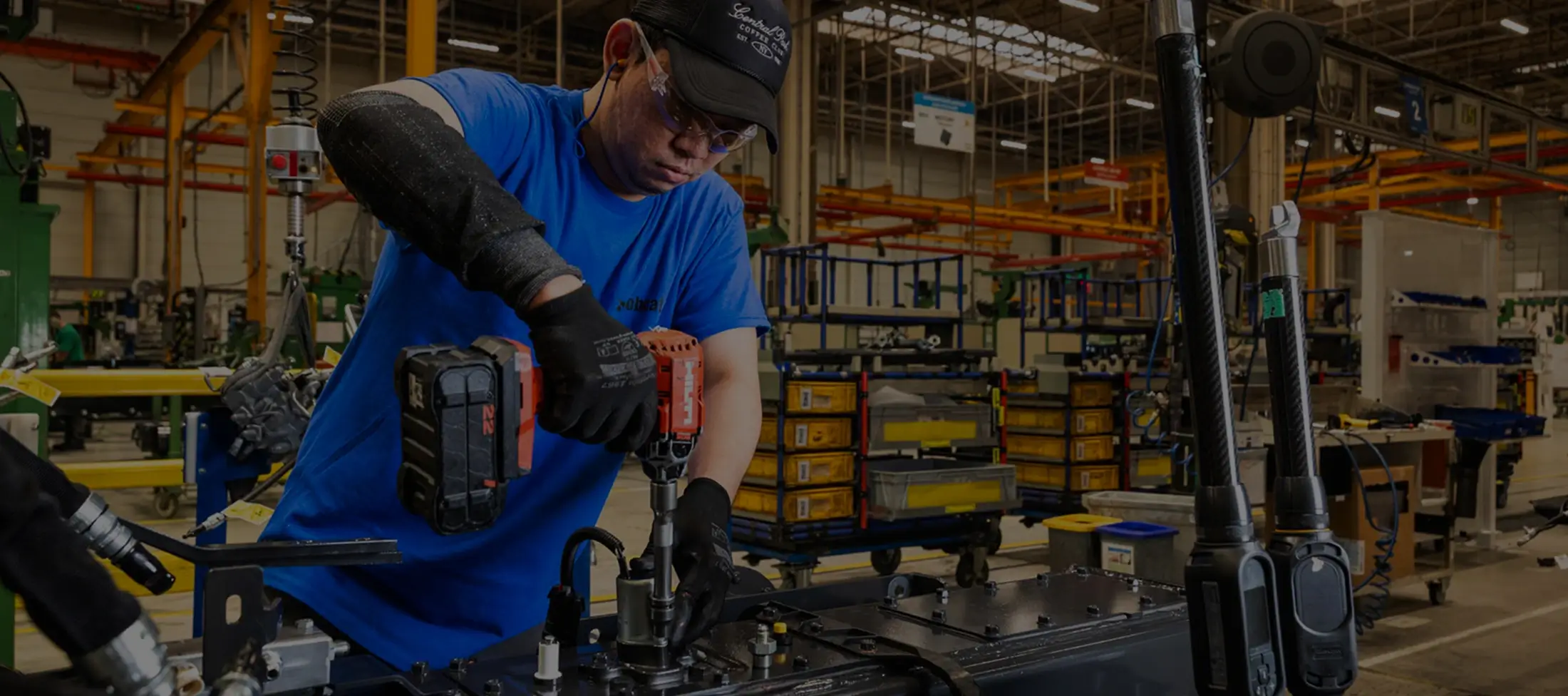
Welder
The weld stays with the machine. What you weld becomes part of the structure and quality of the final product.
Assembler
The machine comes together under your hands. Step by step, parts and components become a finished, functioning Bobcat machine.
Painter
The finish is visible. The painted surface is one of the first things people see on the completed machine.
You can see the result of your work.
Not as a slogan, but as a real part of a real machine.
FAQ
Questions you may have before applying
No. You do not need to arrive as a finished Bobcat expert. But you should have previous experience or practical ability that fits the role. We will look at what you can do, how you work with tools and instructions, and whether you are ready to learn the Bobcat way of working.
Ready to see the current vacancies?
Check the current production vacancies, choose the role that fits you best and read the full vacancy detail before applying.
Follow us on Instagram!
